MOVEMENT SUPPORTS ENERGY & DIGESTION
6 min read/ 1377 words
Today, we explore 10 super-simple ways movement supports energy & digestion.
Let’s explore all the ways that movement supports energy & digestion while promoting a healthy gut.
Table of Contents
How Exercise Impacts Your Gut Health
Recent research has shed light on the relationship between exercise and gut health. Here’s how this translates into energy and digestive support.
1. Boosts Gut Diversity
Just like a diverse group of friends makes life more interesting, a diverse gut microbiome is key to good gut health.
And guess what?
Exercise can help with that! Studies have shown that regular physical activity increases the variety of beneficial bacteria in your gut, keeping your microbiome happy and thriving.
Exercise has been observed to impact the composition of the gut microbiome in both healthy and diabetic mice, highlighting its potential benefits in various conditions.
Transitioning from a sedentary lifestyle to an active one can reduce disease-related bacteria and increase health-associated bacteria.
2. Reduces Gut Inflammation
Inflammation is like the party pooper of energy and good digestion – nobody wants it around. But fear not, because movement is here to save the day!
Movement supports energy & digestion by reducing inflammation throughout the body, helping calm gut-related inflammation and keeping the digestive system running smoothly.
Chronic inflammation can lead to many health issues if not addressed. Exercise, along with a healthy diet, can help reduce inflammation so you can avoid chronic diseases and feel your best.
3. Improves Digestion
Feeling a bit backed up? Movement might just be the solution.
Moving your body gets things moving in your digestive tract, helping alleviate constipation and promote regular bowel movements. So, next time you’re feeling a bit sluggish, try going for a walk or doing some gentle stretches to get things flowing again.
*Pro tip: Instead of relaxing or lying down after a meal, try stretching or going for a walk to give your digestion a helping hand. Moving after a meal can help get things moving well and reduce indigestion and acid reflux.
4. Enhances Gut-Brain Connection
Ever heard of the gut-brain axis?
It’s the superhighway of communication between your gut and brain and plays a huge role in your overall health. Exercise has been shown to strengthen this connection, leading to better mood, cognition, and even stress management.
So, if you’re feeling a bit frazzled, lace up those sneakers and go for a jog – your gut and your brain will thank you for it!
5. Supports Weight Management
Ah, the age-old quest to shed those extra pounds.
Well, here’s another reason to hit the gym—exercise is a powerhouse when it comes to weight management. Maintaining a healthy weight is crucial for energy and digestion, too.
So, whether your goal is to slim down or simply feel stronger and more energized, regular movement is key.
6. Enhances Gut Motility
Have you ever experienced slow-moving digestion where you feel full for way too long?
Regular movement keeps things moving in your digestive system by stimulating the muscles in your gastrointestinal tract. This movement, known as gut motility, helps to prevent constipation and promote regular bowel movements.
When you engage in physical activity, the muscles’ rhythmic contractions help push food and waste through your digestive tract, ensuring that everything flows smoothly.
Exercise can stimulate the release of certain hormones and neurotransmitters that aid in gut motility, further supporting healthy digestion.
7. Promotes Gut Barrier Function
A leaky gut is no fun.
The gut barrier protects the contents of your digestive system from the rest of your body. When this barrier becomes compromised, harmful substances can leak into the bloodstream, leading to inflammation and other health issues.
Regular exercise has been shown to improve the integrity of the gut barrier, strengthening the tight junctions between intestinal cells and reducing the risk of leakage.
By promoting gut barrier function, exercise helps to maintain a healthy balance of bacteria in the gut and prevent inflammatory responses.
8. Increases Gut Hormone Regulation
Hormones should not be ignored.
Your gut produces a variety of hormones that play key roles in appetite regulation, metabolism, and other bodily functions.
Physical activity can influence the production and release of these hormones, helping to maintain a healthy balance. For example, exercise has been shown to decrease levels of ghrelin, the hormone that stimulates hunger, while increasing levels of leptin, which signals fullness.
By regulating these hormones, exercise can support healthy eating habits and contribute to weight management.
9. Reduces Risk of Gut Disorders
Modern diets and highly processed foods are resulting in gut disorders increasingly becoming more and more common.
Regular exercise has been associated with a lower risk of developing certain gut disorders, including inflammatory bowel disease (IBD) and irritable bowel syndrome (IBS).
While the exact mechanisms behind this relationship are still being studied, exercise is believed to help modulate the immune system and reduce inflammation, both of which are key factors in developing gut disorders.
10. Enhances Overall Well-Being
Want an almost guaranteed way to improve your well-being?
Beyond its direct effects on energy and digestion, exercise has numerous benefits for your overall well-being. Physical activity reduces stress levels, improves sleep quality, and enhances mood.
These factors are closely interconnected with gut health, as stress and poor sleep can contribute to digestive problems and inflammation. Exercise indirectly supports gut health and contributes to a happier, healthier you by promoting mental and emotional well-being.
Conclusion
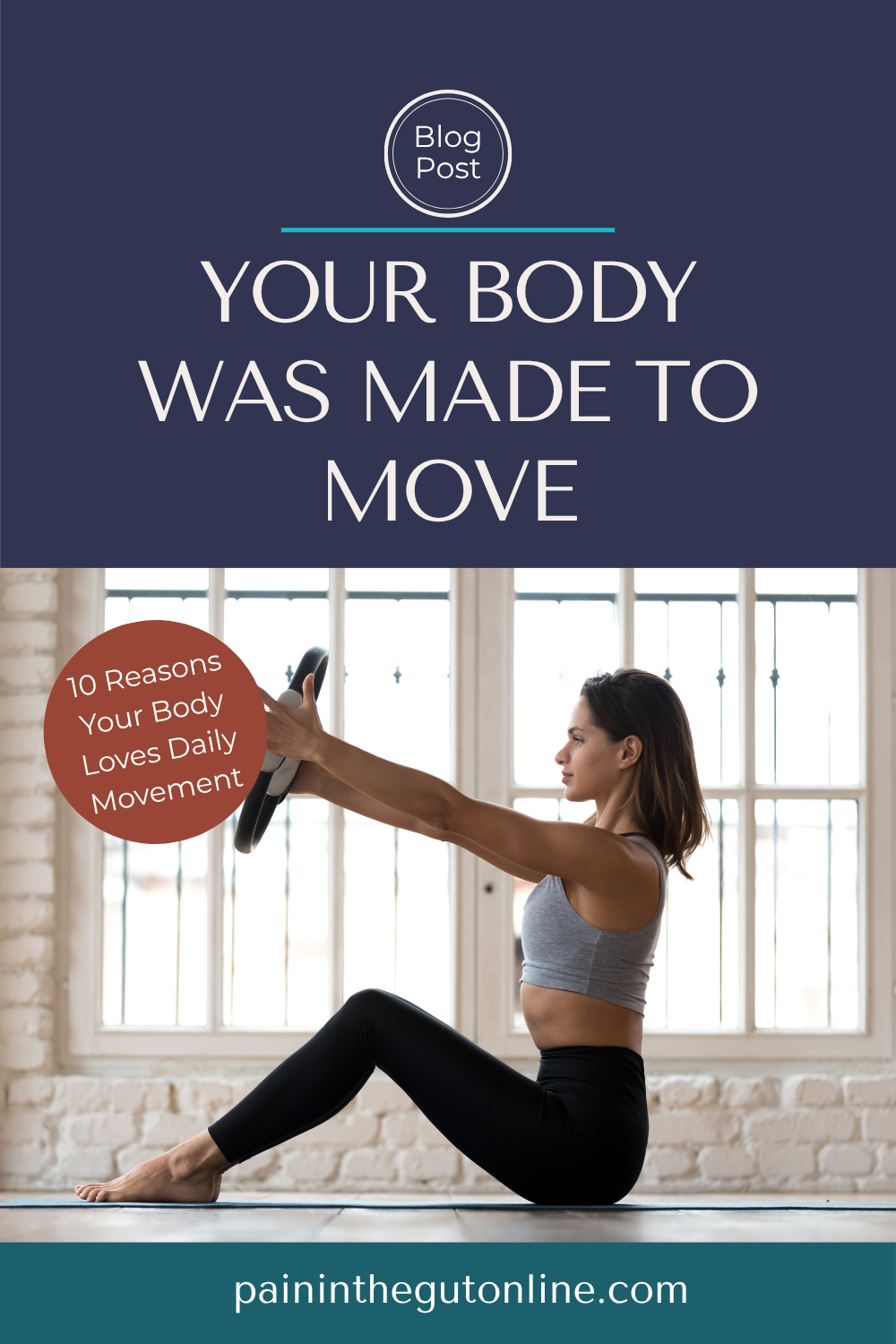
Incorporating daily movement into your routine can be as simple as engaging in activities like walking, pilates, cycling, or swimming for at least 30 minutes a day, most days of the week. *Pilates is my favorite way to move my body. Grab this simple, but effective, pilates ring that comes with instructions and get started moving your body by the weekend.
Incorporate physical activity into your daily routine to reap the benefits of how that movement supports energy & digestion.
Consult a healthcare professional before starting any new exercise program, especially if you have pre-existing health conditions.
By prioritizing regular exercise, you can contribute to the overall health of your gut and enhance your well-being from the inside out. So, next time you’re feeling a bit blah, remember how regular movement impacts your energy levels and is the ultimate gut-friendly activity.
Now, get out there and move that body!